Notebook entry
2026.08.31 / THYMOSIN-BET
Thymosin Beta-4 Fragments in Preclinical Research: An Analytical Review of TB-500 Methodologies
- Field
- Recovery
- Logged
- 31 August 2026
- Reading time
- 6 min read
- References
- 1
- Source language
- EN
- Identifier
- TPL.2026.4521
01
Summary
An examination of Thymosin Beta-4 derivatives in cell and animal models, detailing actin dynamics, angiogenic pathways, and technical standards for laboratory reproducibility.
02
Methods
Desk review: published literature, manufacturer documentation and analytical certificates are read side by side. Claims without a traceable reference are marked as open questions, not conclusions.
03
Results
Introduction: Distinguishing Thymosin Beta-4 from Synthetic Derivatives
Thymosin Beta-4 (Tβ4) is a naturally occurring 43-amino-acid peptide encoded by the TMSB4X gene, play-ing a pivotal role in actin cytoskeletal regulation, cell motility, and wound healing cascades. In experimental research settings, the designation "TB-500" commonly refers to synthetic sequences derived from or identical to specific functional domains of Tβ4—most notably the acetylated N-terminal fragment or the core LKKTET amino acid sequence responsible for actin binding. As interest in peptide-mediated tissue remodeling grows, establishing clear analytical frameworks for evaluating these compounds remains essential for laboratory investigations.
Biochemical Mechanisms: Actin Dynamics and Cell Motility
At the cellular level, the primary physiological function of Thymosin Beta-4 is its capacity to sequester monomeric globular actin (G-actin). By binding G-actin in a 1:1 stoichiometric ratio, Tβ4 inhibits spontaneous polymerization into filamentous actin (F-actin), maintaining an available intracellular reservoir of building blocks required for rapid cytoskeletal reorganization during cell migration.
Beyond actin buffering, preclinical literature indicates that Tβ4 derivatives influence several downstream signaling cascades in vitro:
- Endothelial Migration and Angiogenesis: Assays show enhanced vessel sprouting and capillary-like structure formation through the upregulation of specific matrix metalloproteinases (MMPs).
- Inflammatory Pathway Modulation: Observations indicate suppression of pro-inflammatory signaling events, including nuclear factor kappa B (NF-κB) nuclear translocation, altering local cytokine production profiles.
- Cell Survival Pathways: Decreased markers of apoptosis in ischemic or mechanically damaged cell populations, particularly in cardiac myocyte and corneal epithelial culture models.
Preclinical Literature on Tissue Regeneration
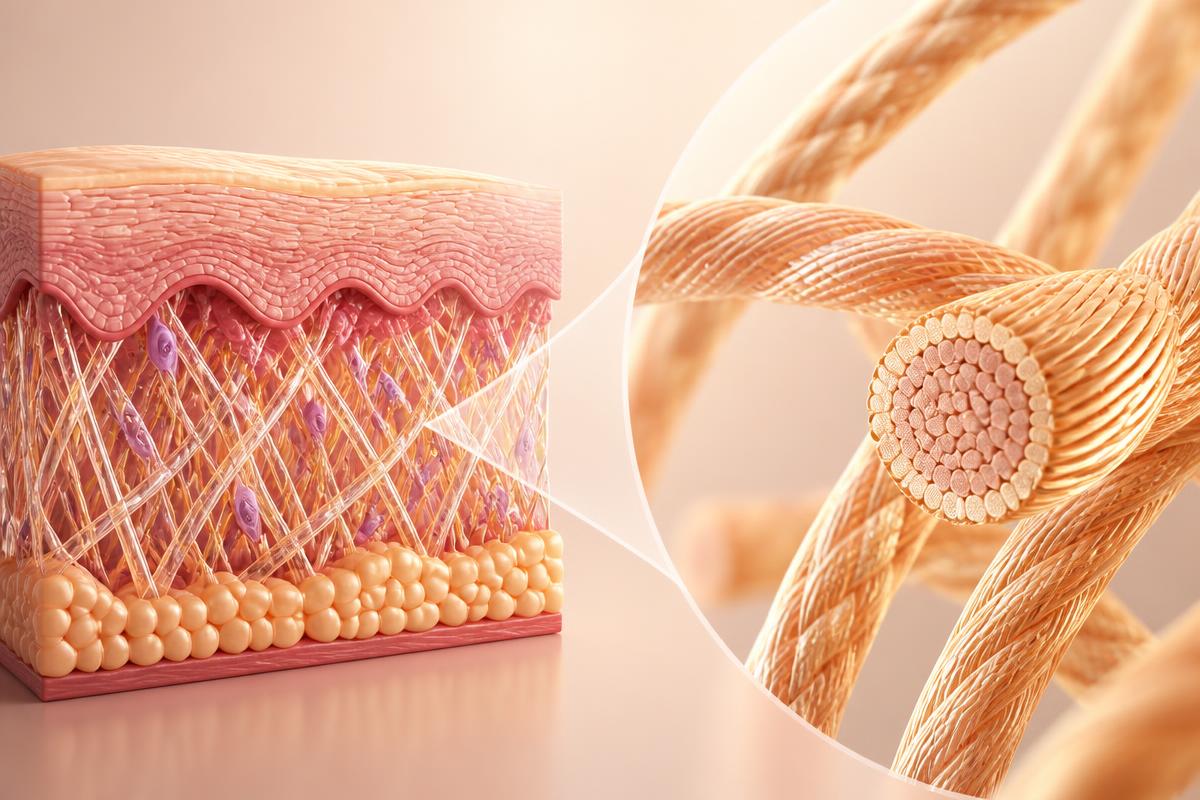
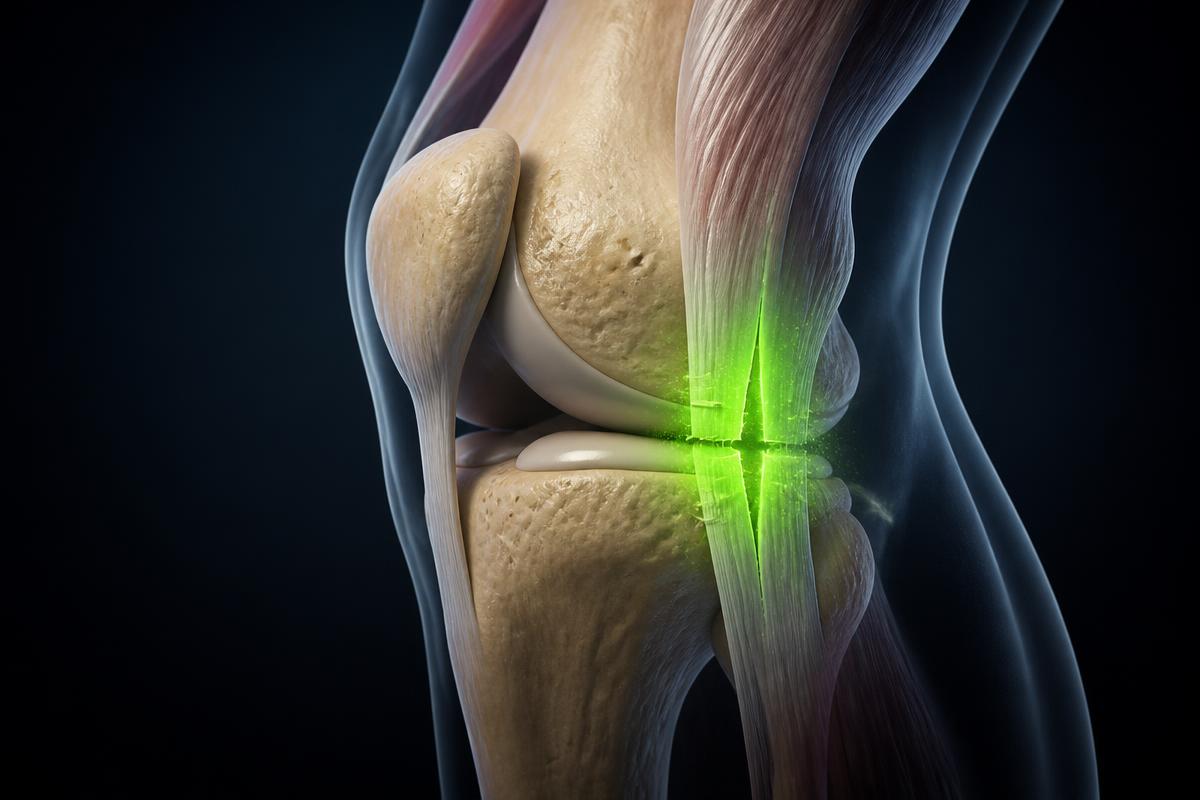
Experimental models examining TB-500 and related peptide sequences focus predominantly on musculoskeletal, cutaneous, and vascular tissue repair. In rodent models of flexor tendon transaction and focal muscle strain, systemic or localized administration of Tβ4 fragments has been correlated with increased collagen alignment, altered tensile strength recovery, and reduced fibrotic scar deposition.
However, investigators must draw clear distinctions between localized in vitro responses and systemic in vivo dynamics. While early-stage laboratory scratch assays demonstrate accelerated cell migration across open wounds, translating these observations to complex organismal physiology involves significant variables. Endogenous enzymatic degradation, baseline metabolic clearance rates, and tissue-specific vascularization profoundly influence peptide stability and bioactivity.
Laboratory Protocols: Reconstitution, Stability, and Verification
Evaluating synthetic TB-500 in laboratory environments requires strict adherence to physical chemistry standards to preserve structural integrity. Lyophilized peptides are susceptible to hydrolytic cleavage, oxidation, and aggregation when exposed to ambient moisture or thermal instability.
Technical Considerations for In Vitro Methodology:
Standard experimental protocols necessitate reconstituting lyophilized samples using sterile, non-pyrogenic aqueous solvents—typically phosphate-buffered saline (PBS) or sterile water adjusted to physiological pH (7.4). Following dissolution, peptide solutions demonstrate reduced stability over repeated freeze-thaw cycles. To maintain quantitative precision across longitudinal assays, primary stock solutions are routinely sub-aliquoted into inert polypropylene vials and stored at controlled sub-zero temperatures (-20°C to -80°C).
Furthermore, analytical validation via High-Performance Liquid Chromatography (HPLC) coupled with Mass Spectrometry (MS) is critical. Commercial preparations labeled as TB-500 can vary substantially in net peptide content, TFA (trifluoroacetic acid) counter-ion concentration, and sequence fidelity. Residual solvents or non-target peptide fragments can introduce confounding cellular toxicity or alter kinetic measurements in experimental assays.
Analytical Limitations and Knowledge Gaps
Despite a robust body of preclinical literature, significant research gaps persist. The vast majority of published data is derived from small animal models or immortalized cell lines. Standardized pharmacokinetic parameters, precise receptor-binding affinities, and long-term toxicology profiles in controlled clinical settings remain incompletely characterized. Researchers must evaluate claims regarding therapeutic utility through a rigorous methodological lens, recognizing that preclinical efficacy in localized models does not provide a substitute for peer-reviewed clinical data.
Sourcing note: laboratories comparing batch documentation can review research peptides with batch certificates of analysis for reference material.
04
Sources
- [01]Tb 500 Protocol
05
Cite this entry
- Identifier
- TPL.2026.4521
The Peptide Lens Desk. (2026). Thymosin Beta-4 Fragments in Preclinical Research: An Analytical Review of TB-500 Methodologies. The Peptide Lens. /journal/thymosin-beta-4-fragments-in-preclinical-research-an-analytical-review
DOI registration pending — cite the identifier and canonical URL. Indexed for Google Scholar via Highwire Press, Dublin Core and PRISM metadata.
PubMed / MEDLINE record and NLM JATS full-text XML are available for harvesting; PubMed listing itself requires an ISSN and NLM acceptance.