Notebook entry
2026.08.31 / SLEEP-ARCHIT
Sleep Architecture as a Metabolic and Immunological Regulator: An Analytical Review
- Field
- Longevity
- Logged
- 31 August 2026
- Reading time
- 4 min read
- References
- 1
- Source language
- EN
- Identifier
- TPL.2026.0422
01
Summary
A critical analysis of how nocturnal sleep stages orchestrate systemic metabolic homeostasis, neuro-glymphatic clearance, and cell-mediated immune dynamics.
02
Methods
Desk review: published literature, manufacturer documentation and analytical certificates are read side by side. Claims without a traceable reference are marked as open questions, not conclusions.
03
Results
Introduction: Sleep as an Active Physiological Process
In classical physiological frameworks, sleep was historically characterized as a passive cessation of neurological and motor activity. Modern translational research, however, reveals sleep to be a highly coordinated, energy-intensive state of metabolic reorganization and cellular maintenance. Far from being a uniform block of downtime, nocturnal sleep comprises distinct architectural stages—specifically non-rapid eye movement (NREM) sleep, encompassing deep slow-wave sleep (SWS), and rapid eye movement (REM) sleep—each exercising specialized regulatory control over peripheral systems.
Understanding the interplay between sleep architecture, systemic metabolic flux, and immune cell trafficking is critical for preclinical models and clinical investigation alike. Disruptions to circadian alignment and sleep duration correlate reliably with metabolic dysfunction, impaired immune responsiveness, and accelerated cellular senescence. This review examines the underlying mechanisms through which sleep maintains biological equilibrium across neurological, metabolic, and immunological domains.
Endocrine Flux and Metabolic Homeostasis
The metabolic impact of sleep is heavily mediated by pulsatile hormone release aligned with specific NREM and REM cycles. Deep slow-wave sleep represents the primary neuroendocrine window for the secretion of human growth hormone (HGH) from the anterior pituitary. This nocturnal burst facilitates tissue repair, protein synthesis, and cellular substrate conversion, counteracting daytime catabolic stress.
Conversely, sleep fragmentation or acute restriction disrupts the hypothalamic-pituitary-adrenal (HPA) axis, altering diurnal cortisol rhythms. Elevated evening cortisol levels impair insulin sensitivity in peripheral tissues, specifically skeletal muscle and adipose tissue. Research demonstrates that even short-term sleep restriction (4–5 hours per night over consecutive days) leads to marked reductions in glucose clearance rates, downregulating glucose transporter 4 (GLUT4) expression and mimicking early-stage metabolic syndrome.
Appetite Regulation and Energy Balance
At the systemic level, sleep duration functions as a upstream modulator of metabolic signaling peptides, notably leptin and ghrelin:
- Leptin signaling: Circulating levels of this anorexigenic hormone typically rise during consolidated sleep, suppressing hunger and stabilizing nocturnal energy expenditure.
- Ghrelin secretion: Sleep deprivation triggers an elevation in circulating orexigenic ghrelin, driving appetite toward calorie-dense, carbohydrate-rich substrates.
- Substrate utilization: Sleep restriction shifts metabolic utilization away from lipid oxidation toward lipid storage, aggravating central adiposity over sustained periods.
Immunological Restructuring and Inflammatory Dynamics
The immune system undergoes profound spatial and functional reorganization during sleep. Nocturnal physiological conditions—characterized by reduced sympathetic nervous system activity and elevated growth factor signaling—create a permissive environment for adaptive immune consolidation.
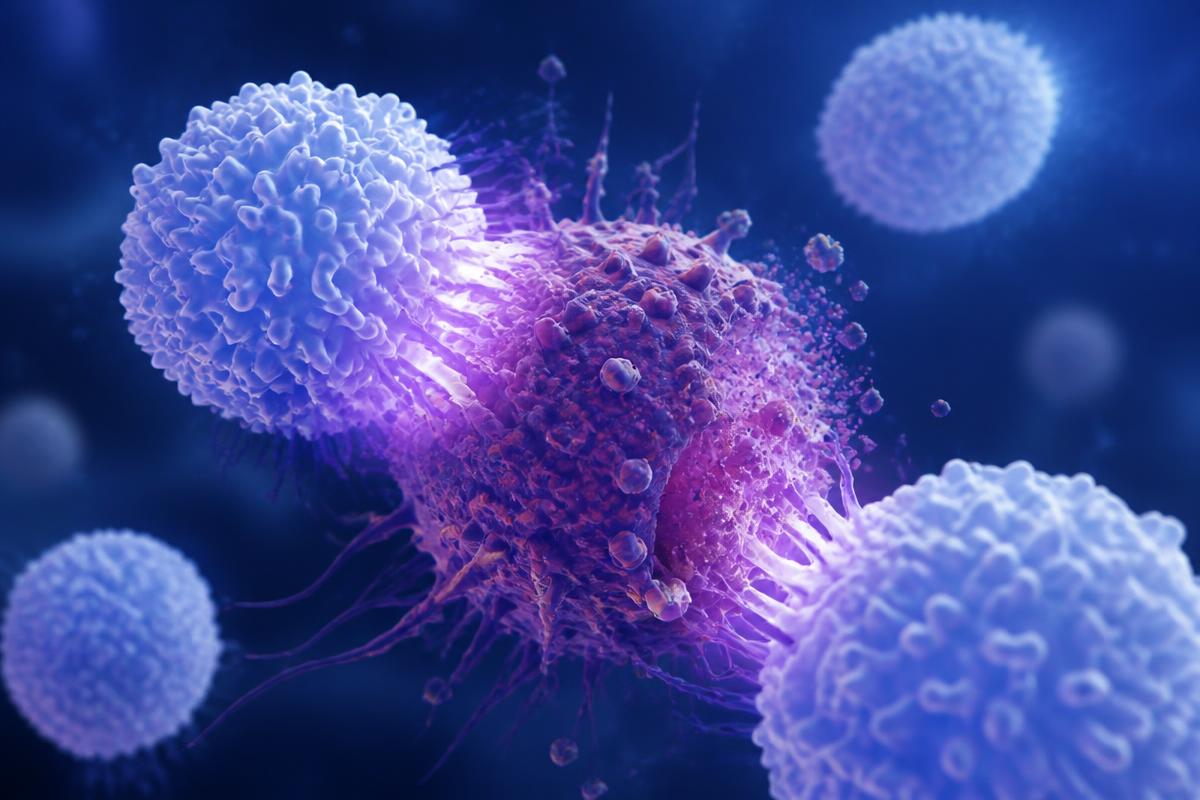
During NREM sleep, pro-inflammatory signaling pathways experience a temporary, tightly regulated surge. Low-level increases in pro-inflammatory cytokines, including interleukin-6 (IL-6) and tumor necrosis factor-alpha (TNF-alpha), facilitate lymphocyte redistribution. T cells are selectively directed away from circulation and into secondary lymphoid organs, where antigen presentation and immunological memory formation occur. This process enhances adaptive immune surveillance without inducing systemic tissue damage.
In contrast, chronic sleep deprivation leads to sustained, low-grade systemic inflammation. Prolonged wakefulness elevates baseline systemic inflammatory markers, including high-sensitivity C-reactive protein (hs-CRP) and circulating IL-6, during daytime hours. This persistent inflammatory state is associated with vascular endothelial dysfunction, impaired pathogen clearance, and diminished antibody responses following vaccination.
Central Nervous System Maintenance: The Glymphatic System
One of the most consequential discoveries in neurobiology over the past decade is the identification of the glymphatic system—a macroscopic waste clearance network that operates predominantly during deep NREM sleep. Driven by astroglial aquaporin-4 (AQP4) water channels, interstitial fluid exchanges rapidly with cerebrospinal fluid (CSF) during slow-wave activity.
This convective flow flushes metabolic byproducts from the brain parenchyma, including neurotoxic proteins such as amyloid-beta and hyperphosphorylated tau. During wakefulness, the interstitial space shrinks by up to 60%, substantially restricting CSF flux. Consequently, chronic sleep deprivation impairs neuro-glymphatic clearance, permitting the accumulation of neurotoxic aggregates linked to neurodegenerative pathologies.
Methodological Considerations in Sleep Research
Evaluating sleep mechanisms in experimental settings requires careful distinction between objective architectural metrics and subjective reports. While epidemiological surveys often rely on self-reported sleep duration, rigorous mechanistic studies necessitate objective validation techniques.
| Assessment Method | Primary Biomarkers / Parameters | Analytical Strengths | Limitations |
|---|---|---|---|
| Polysomnography (PSG) | EEG spectral power, SWS duration, REM latency | Gold standard for sleep architecture mapping | High participant burden; lab environment bias |
| Actigraphy | Motor activity metrics, circadian phase displacement | Longitudinal tracking in naturalistic environments | Inability to distinguish quiet wakefulness from NREM |
| Targeted Biomarker Assays | Salivary cortisol slope, hs-CRP, fasting insulin/glucose | Direct measurement of downstream metabolic impact | Requires controlled timing due to strong circadian variation |
Researchers investigating metabolic or longevity interventions must treat sleep duration and quality as vital confounding variables. Protocols aimed at evaluating insulin sensitivity or cytokine profiles can yield compromised data if circadian alignment and sleep architecture are not systematically controlled.
Conclusion and Desk Perspective
Sleep cannot be simplified into a passive resting state; it is a fundamental homeostatic requirement that actively dictates metabolic capacity, immune resilience, and central nervous system health. Modern intervention strategies aimed at promoting longevity and tissue recovery must account for the biological necessity of non-disrupted sleep architecture. Future research will likely focus on targeted interventions to preserve slow-wave sleep density and glymphatic clearance across the aging spectrum.
Sourcing note: laboratories comparing batch documentation can review research peptides with batch certificates of analysis for reference material.
04
Sources
05
Cite this entry
- Identifier
- TPL.2026.0422
The Peptide Lens Desk. (2026). Sleep Architecture as a Metabolic and Immunological Regulator: An Analytical Review. The Peptide Lens. /journal/sleep-architecture-as-a-metabolic-and-immunological-regulator-an-analy
DOI registration pending — cite the identifier and canonical URL. Indexed for Google Scholar via Highwire Press, Dublin Core and PRISM metadata.
PubMed / MEDLINE record and NLM JATS full-text XML are available for harvesting; PubMed listing itself requires an ISSN and NLM acceptance.