Notebook entry
2026.08.31 / EVALUATING-M
Evaluating Multi-Peptide Tissue Remodeling: A Critical Analysis of the 'GLOW' Triad
- Field
- Recovery
- Logged
- 31 August 2026
- Reading time
- 5 min read
- References
- 1
- Source language
- EN
- Identifier
- TPL.2026.5113
01
Summary
An editorial assessment of the combined biological pathways of GHK-Cu, BPC-157, and TB-500 in preclinical models of extracellular matrix repair and microvascular restoration.
02
Methods
Desk review: published literature, manufacturer documentation and analytical certificates are read side by side. Claims without a traceable reference are marked as open questions, not conclusions.
03
Results
Introduction to Multi-Peptide Synergies in Tissue Repair
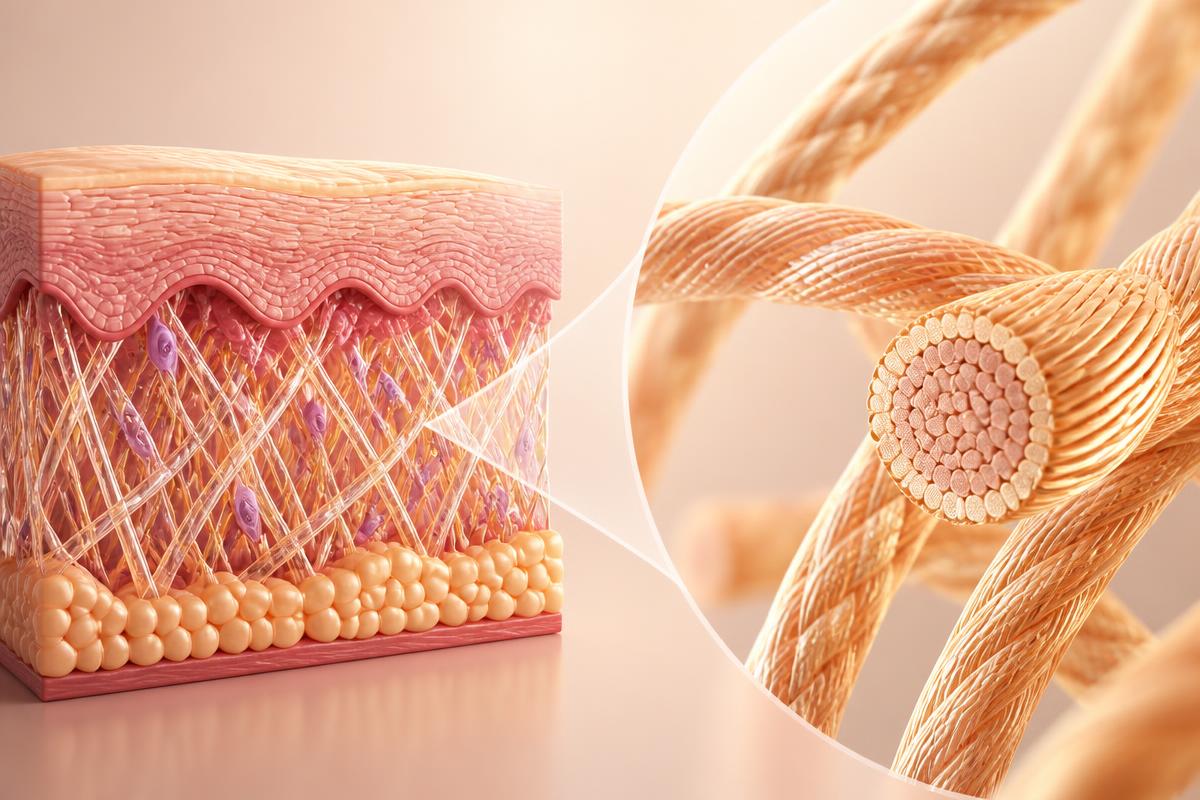
In contemporary peptide research, single-agent paradigms are increasingly evaluated alongside combination strategies aimed at targeting distinct phases of tissue regeneration. Among these, the composite framework frequently designated in research literature as the "GLOW protocol"—comprising Copper Tripeptide-1 (GHK-Cu), Body Protection Compound 157 (BPC-157), and Thymosin Beta-4 fragment (TB-500)—has drawn scientific interest for its theoretical cross-talk in extracellular matrix (ECM) reorganization and microvascular support.
While individual preclinical data exist for each constituent peptide, assessing them as a combined experimental protocol requires rigorous examination of their biological pathways, stability profiles, and the limitations inherent to translation from in vitro and animal models to human physiology.
Biochemical Profiles of the Component Peptides
To evaluate the potential cumulative impact of this combination, each peptide must first be analyzed through its isolated mechanism of action:
- GHK-Cu (Copper Tripeptide-1): A naturally occurring human plasma tripeptide with high affinity for divalent copper ions. In cellular models, GHK-Cu regulates gene expression involved in collagen synthesis, glycosaminoglycan production, and matrix metalloproteinase (MMP) activity. It functions primarily as a remodeling agent, directing cellular output toward structured ECM turnover.
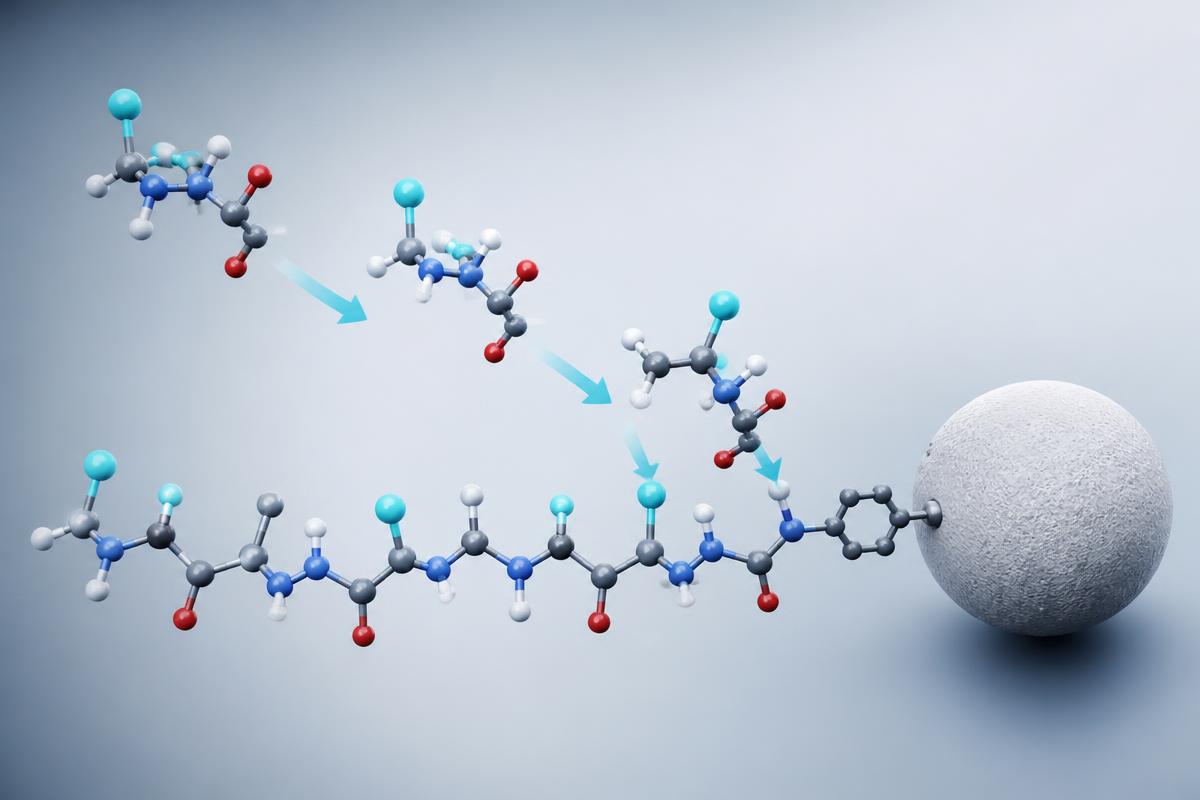
- BPC-157 (Body Protection Compound 157): A synthetic pentadecapeptide derived from human gastric juice signaling sequences. Preclinical studies suggest BPC-157 influences the focal adhesion kinase (FAK) and paxillin pathway, promoting fibroblast cell survival, migration, and endothelial tube formation via the VEGFR2 pathway under hypoxic or injured states.
- TB-500 (Thymosin Beta-4 Fragment): A synthetic derivative corresponding to the active region of Thymosin Beta-4. Its primary biochemical role involves sequestering monomeric actin (G-actin), facilitating cellular motility, rapid cytoskeletal rearrangement, and directed cell migration into traumatized tissue beds.
Theoretical Mechanics of ECM Integration and Angiogenesis
The rationale for co-administering or sequentially evaluating these three signaling molecules rests on matching their physiological stages of tissue repair: initial cell motility, local vascular support, and matrix stabilization.
| Peptide | Primary Signaling Focus | Preclinical Target Tissue | Key ECM Outcome |
|---|---|---|---|
| GHK-Cu | Gene transcription / Copper transport | Dermal & Connective Tissue | Upregulated Collagen Type I/III |
| BPC-157 | VEGFR2 / FAK-Paxillin Axis | Tendons, Ligaments, Epithelium | Neovascularization & Cell Migration |
| TB-500 | Actin Sequestration / Cytoskeleton | Endothelium & Myocytes | Accelerated Cell Motility |
During early repair phases, actin-mediated migration (driven by TB-500) allows endothelial cells and fibroblasts to infiltrate damaged zones. Concurrently, BPC-157 activity maintains local cell viability and stimulates sprout formation from existing microvasculature. As early tissue frames form, GHK-Cu regulates matrix remodeling by modulating the balance between collagen synthesis and degradation via MMP control, reducing disorganized scar tissue formation in rodent models.
Methodological and Stability Considerations in Analytical Settings
In laboratory contexts, combining distinct peptide sequences introduces analytical complexities. GHK-Cu contains a chelated copper ion, which alters solution pH and ionic strength. If co-reconstituted in a single vial without buffering agents, divalent cations can alter the tertiary interactions or physical stability of vulnerable peptides such as BPC-157 or TB-500.
Researchers investigating multi-component formulations must utilize high-performance liquid chromatography (HPLC) and mass spectrometry (MS) to verify that chemical degradation, aggregation, or trans-chelation does not occur prior to assays. Separate reconstitution or precise stoichiometry is frequently required to maintain sequence integrity.
Critical Evaluation and Translational Gaps
Despite promising cellular outcomes, significant literature gaps remain. The vast majority of published data regarding BPC-157 and TB-500 originates from rodent models or cell culture assays. Human clinical trials documenting controlled safety, pharmacokinetics, and pharmacodynamics for this specific tri-peptide combination are non-existent in peer-reviewed literature.
Furthermore, uncontrolled tissue remodeling risks hypertrophic response or off-target angiogenic signaling if exposure is prolonged. Institutional researchers must approach multi-peptide protocols with empirical caution, prioritizing baseline purity verification and strictly defined biological endpoints.
Sourcing note: laboratories comparing batch documentation can review research peptides with batch certificates of analysis for reference material.
04
Sources
05
Cite this entry
- Identifier
- TPL.2026.5113
The Peptide Lens Desk. (2026). Evaluating Multi-Peptide Tissue Remodeling: A Critical Analysis of the 'GLOW' Triad. The Peptide Lens. /journal/evaluating-multi-peptide-tissue-remodeling-a-critical-analysis-of-the-
DOI registration pending — cite the identifier and canonical URL. Indexed for Google Scholar via Highwire Press, Dublin Core and PRISM metadata.
PubMed / MEDLINE record and NLM JATS full-text XML are available for harvesting; PubMed listing itself requires an ISSN and NLM acceptance.