Notebook entry
2026.08.31 / EVALUATING-B
Evaluating BPC-157: Preclinical Mechanisms, Gastrointestinal Origins, and the Clinical Evidence Gap
- Field
- Recovery
- Logged
- 31 August 2026
- Reading time
- 6 min read
- References
- 5
- Source language
- EN
- Identifier
- TPL.2026.8024

01
Summary
An analytical review of Body Protection Compound-157, examining its proposed angiogenic pathways, connective tissue research models, and the significant divide between rodent studies and preclinical literature versus human clinical trials.
02
Methods
Desk review: published literature, manufacturer documentation and analytical certificates are read side by side. Claims without a traceable reference are marked as open questions, not conclusions.
03
Results
Introduction: The Disconnect Between Preclinical Interest and Evidence
In recent years, Body Protection Compound-157 (BPC-157) has emerged as one of the most widely discussed synthetic peptides in experimental biology and bio-longevity circles. Derived theoretically from a naturally occurring protein found in human gastric juice, this 15-amino-acid sequence (pentadecapeptide) has gathered substantial attention for its reported cytoprotection and regenerative potential in animal models. However, an objective examination of the scientific literature reveals a prominent dichotomy: while preclinical rodent studies demonstrate intriguing soft tissue and mucosal repair pathways, rigorously designed, peer-reviewed human clinical trials remain virtually non-existent.
For researchers and editorial observers, evaluating BPC-157 requires navigating past biohacking enthusiasm to scrutinize the underlying molecular mechanisms, experimental paradigms, and methodological limitations that currently define its scientific profile.
Molecular Origin and Mechanistic Hypotheses
BPC-157 is a partial sequence of human gastric protein BPC, engineered to maintain biological activity while displaying enhanced enzymatic stability. Unlike many native signaling peptides that exhibit rapid degradation in biological fluids, BPC-157 demonstrates structural resilience, remaining intact under conditions that typically denature small peptide chains.
The primary mechanistic hypothesis surrounding BPC-157 centers on its interaction with the angiogenic cascade—the physiological process through which new blood vessels form from pre-existing vasculature. Preclinical models suggest that BPC-157 upregulates the expression of Vascular Endothelial Growth Factor (VEGF) and activates the Focal Adhesion Kinase (FAK)-paxillin pathway. These intracellular cascades are critical for endothelial cell migration, proliferation, and structural organization during tissue remodeling.
| Research Domain | Proposed Mechanism | Primary Model Systems |
|---|---|---|
| Connective Tissue Repair | FAK-paxillin pathway activation; collagen synthesis modulation | In vitro fibroblast cultures, rat Achilles tendon transsection |
| Vascular Biology | VEGF expression upregulation; nitric oxide (NO) system interaction | Endothelial cell migration assays, ischemic tissue models |
| Gastrointestinal Integrity | Mucosal cytoprotection; counteraction of NSAID-induced lesions | Rat gastric ulceration and enteropathy protocols |
Connective Tissue and Gastrointestinal Preclinical Data
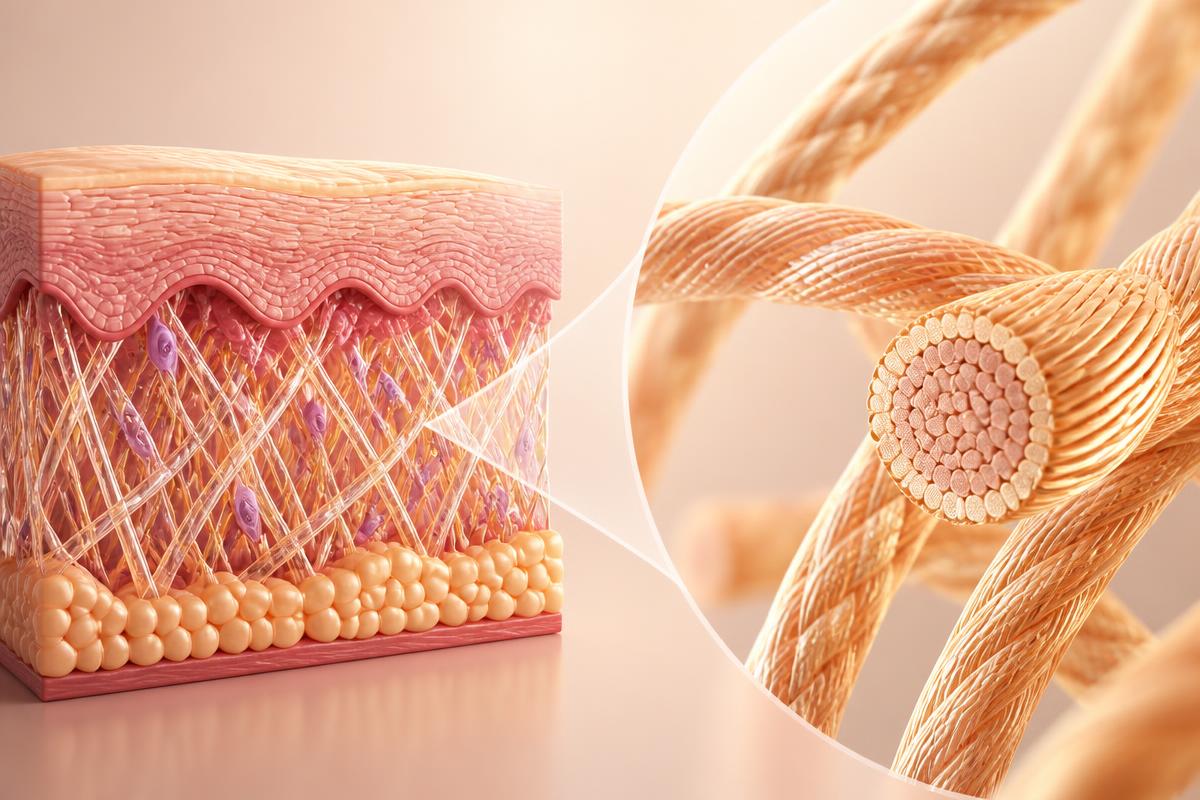
The majority of published literature on BPC-157 focuses on two primary experimental domains: musculoskeletal tissue repair and gastrointestinal cytoprotection. In rodent models of acute tendon, ligament, and muscle injury, localized administration of BPC-157 has been associated with accelerated functional recovery, higher ultimate tensile strength, and improved histological organization of collagen fibers.
In gastrointestinal research, the peptide was initially investigated for its capacity to preserve gastric mucosal integrity. In vitro and rodent in vivo assays indicate that BPC-157 may mitigate lesions induced by nonsteroidal anti-inflammatory drugs (NSAIDs), alcohol exposure, and ischemic insult. The proposed cytoprotective activity appears to operate partly through interactions with the nitric oxide (NO) synthase system, balancing localized vascular tone and inflammatory signaling.
The Critical Gap: Preclinical Promise vs. Human Evidence
Despite three decades of preclinical exploration—primarily published by a limited cluster of academic laboratories—the clinical translation of BPC-157 remains unfulfilled. Well-controlled, randomized, double-blind human trials evaluating pharmacokinetic parameters, tissue-specific distribution, therapeutic efficacy, and safety profiles are absent from major clinical trial registries.
This reliance on preclinical data introduces several significant uncertainties:
- Species-Specific Pharmacokinetics: Metabolic rates, peptide receptor densities, and enzymatic degradation pathways differ markedly between rodents and humans. Extrapolating rodent dosing or systemic availability to human physiology lacks empirical validation.
- Theoretical Angiogenic Risks: While transient upregulation of angiogenesis is beneficial for acute wound healing, sustained or unmonitored promotion of blood vessel growth carries theoretical risks, particularly regarding occult tumorigenesis or retinopathy.
- Long-Term Toxicology: Comprehensive multi-species toxicology studies assessing chronic administration, organ accumulation, and potential immunogenicity remain unpublished in peer-reviewed literature.
Regulatory Status and Quality Assurance
Because BPC-157 has not received regulatory approval from agencies such as the U.S. Food and Drug Administration (FDA) or the European Medicines Agency (EMA) for clinical therapeutic use, its legal status is restricted in most jurisdictions to laboratory research only. Global athletic and anti-doping authorities, including the World Anti-Doping Agency (WADA), have explicitly categorized BPC-157 as a prohibited substance under experimental peptide classifications.
For analytical laboratories investigating BPC-157, verifying compound identity, sequence accuracy, and purity via High-Performance Liquid Chromatography (HPLC) and Mass Spectrometry (MS) is vital. Unregulated peptide markets frequently exhibit batch-to-batch variability, residual synthesis reagents, and structural degradants that compromise analytical reliability.
Editorial Summary
BPC-157 remains an intriguing molecule within basic peptide research, presenting complex signaling interactions across cell culture and animal models of wound healing. However, translating these laboratory findings into established human biology requires cautious skepticism. Until robust, peer-reviewed clinical trials establish its pharmacokinetic behavior, therapeutic window, and safety profile in human subjects, BPC-157 must be evaluated strictly as an experimental tool rather than a validated therapeutic protocol.
Sourcing note: laboratories comparing batch documentation can review research peptides with batch certificates of analysis for reference material.
04
Sources
- [01]Sikirić P. et al. — Stable Gastric Pentadecapeptide BPC 157: cytoprotection, organoprotection and stress coping (Gut and Liver, 2019)
- [02]Sikirić P. et al. — Stable Gastric Pentadecapeptide BPC 157: novel cytoprotective mediator (Current Pharmaceutical Design, 2018)
- [03]Sikirić P. et al. — BPC 157 in major vessel occlusion and ischemia-reperfusion injury (World Journal of Gastroenterology, 2021)
- [04]WADA — Prohibited List (BPC-157 listed as unapproved substance)
- [05]FDA — Risks of unapproved GLP-1 and research peptides (compounding and safety notice)
05
Cite this entry
- Identifier
- TPL.2026.8024
The Peptide Lens Desk. (2026). Evaluating BPC-157: Preclinical Mechanisms, Gastrointestinal Origins, and the Clinical Evidence Gap. The Peptide Lens. /journal/evaluating-bpc-157-preclinical-mechanisms-gastrointestinal-origins-and
DOI registration pending — cite the identifier and canonical URL. Indexed for Google Scholar via Highwire Press, Dublin Core and PRISM metadata.
PubMed / MEDLINE record and NLM JATS full-text XML are available for harvesting; PubMed listing itself requires an ISSN and NLM acceptance.