Notebook entry
2026.08.31 / BEYOND-THE-L
Beyond the Longevity Hype: Evaluating Nicotinamide Adenine Dinucleotide (NAD+) Dynamics in Cellular Metabolism
- Field
- Longevity
- Logged
- 31 August 2026
- Reading time
- 6 min read
- References
- 1
- Source language
- EN
- Identifier
- TPL.2026.8523
01
Summary
An analytical evaluation of NAD+ biochemistry, precursor bioavailability, sirtuin activation, and the clinical realities behind cellular energy and longevity claims.
02
Methods
Desk review: published literature, manufacturer documentation and analytical certificates are read side by side. Claims without a traceable reference are marked as open questions, not conclusions.
03
Results
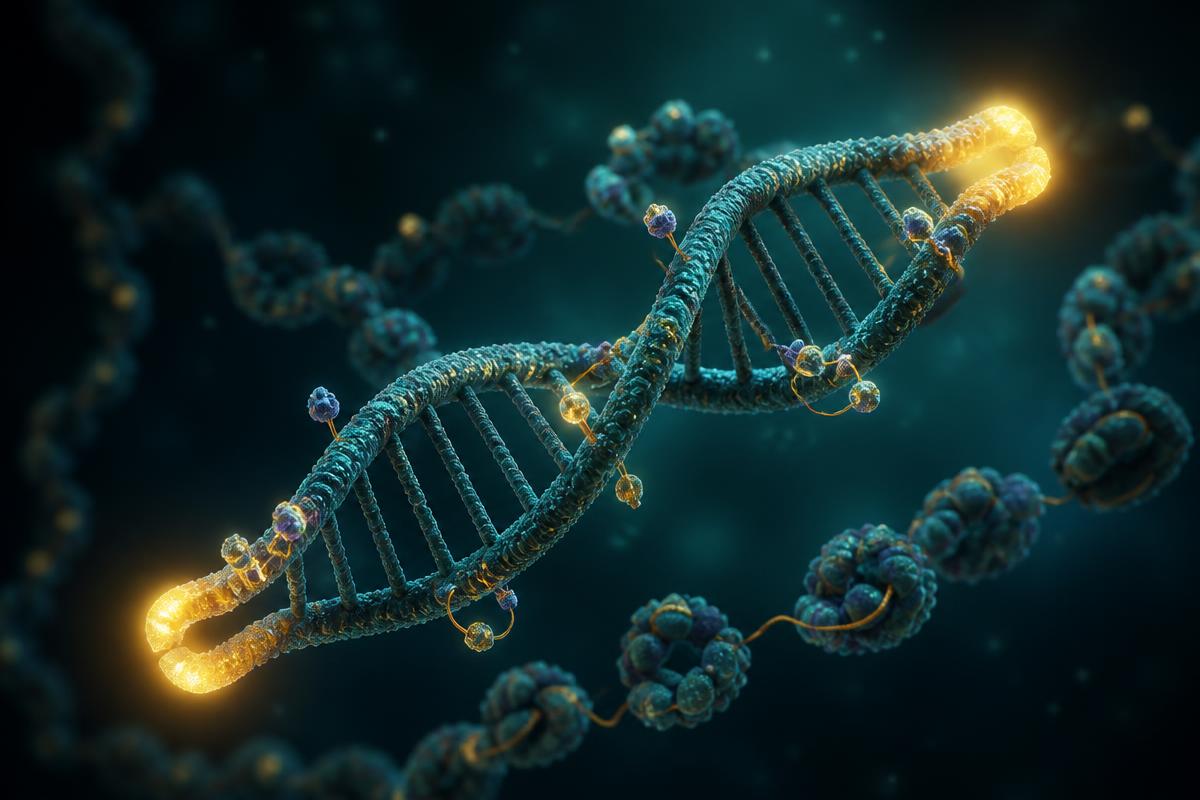
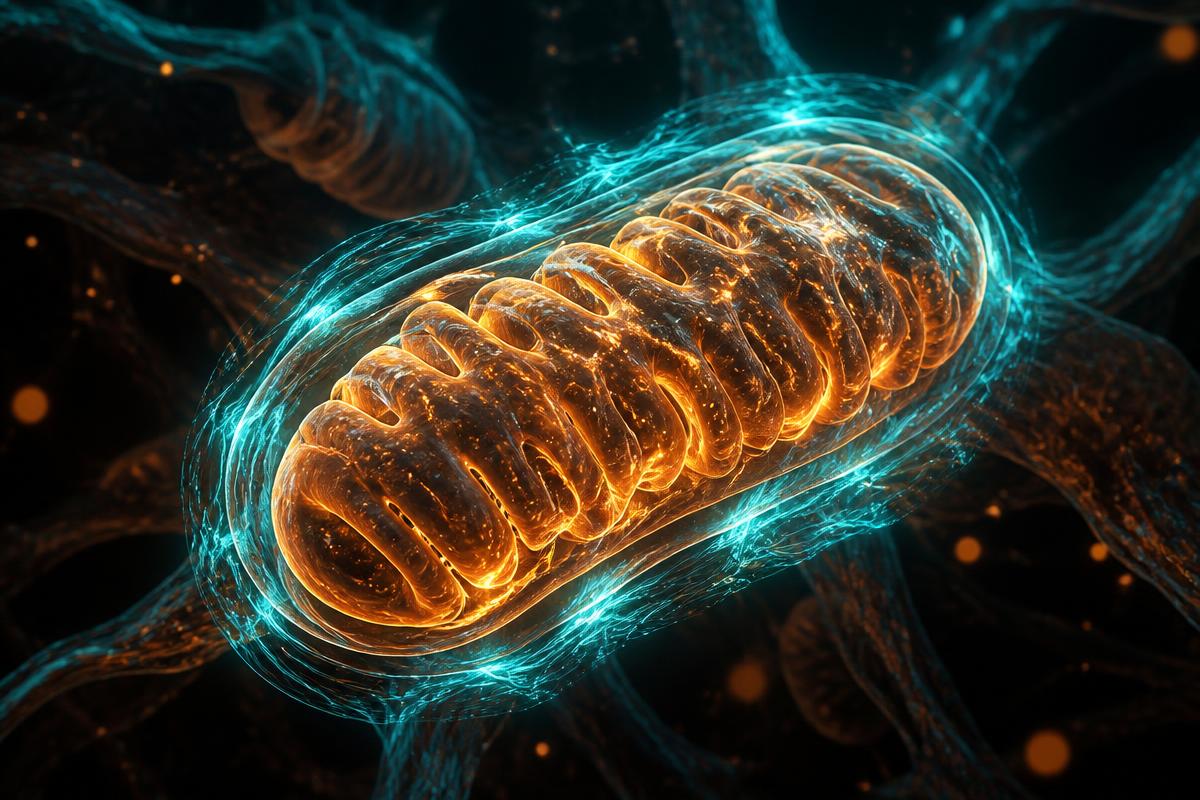
Nicotinamide Adenine Dinucleotide (NAD+) has transitioned from a classical metabolic coenzyme discovered over a century ago to one of the most intensely debated molecules in modern biogerontology. As a vital redox electron carrier, NAD+ cycles between its reduced form (NADH) and oxidized form (NAD+) to drive ATP production through mitochondrial oxidative phosphorylation. Beyond its fundamental role in energy transduction, NAD+ functions as an essential cosubstrate for enzymes that regulate genomic stability, epigenetics, and inflammation, specifically poly(ADP-ribose) polymerases (PARPs), sirtuins (SIRT1–SIRT7), and cyclic ADP-ribose synthases such as CD38.
The Physiological Mechanics of Age-Related NAD+ Decline
Preclinical data consistently demonstrate an age-dependent reduction of intracellular NAD+ concentrations across multiple tissue types, including skeletal muscle, hepatic tissue, and the central nervous system. This depletion disrupts cellular homeostasis through several converging pathways:
- Sirtuin Hypoactivity: Sirtuins require NAD+ to deacetylate histone and non-histone proteins, regulating mitochondrial biogenesis via PGC-1α and chromatin remodeling. Lower NAD+ availability directly attenuates sirtuin activity.
- PARP Hyperactivation: Cumulative oxidative DNA damage over time leads to continuous activation of PARP-1, a major consumer of intracellular NAD+, depleting pool reserves at the expense of metabolic enzymes.
- CD38 Upregulation: Inflammatory signaling and senescent cell accumulation promote the expression of CD38, an ectoenzyme that degrades NAD+ into nicotinamide and cyclic ADP-ribose, further lowering systemic titers.
The resulting imbalance compromises mitochondrial respiratory chain efficiency, reduces resistance to metabolic stressors, and impairs nuclear-mitochondrial cross-talk. These mechanisms form the foundation of hypotheses suggesting that restoring intracellular NAD+ pools could mitigate aspects of age-associated functional decay.
Translational Realities: Preclinical Models vs. Human Evidence
Much of the public enthusiasm surrounding NAD+ modulation stems from high-profile rodent investigations, notably work from academic laboratories exploring precursor administration. In murine models, elevating NAD+ via intermediate molecules like Nicotinamide Mononucleotide (NMN) or Nicotinamide Riboside (NR) demonstrated striking physiological outcomes, including enhanced insulin sensitivity, improved mitochondrial function, and extended healthspan indicators.
However, translation to human clinical endpoints requires a more nuanced interpretation. Human trials investigating NAD+ precursors present a more complex landscape:
1. Tissue Specificity and Bioavailability
Oral administration of direct NAD+ is constrained by enzymatic degradation within the gastrointestinal tract and poor cellular membrane permeability. Consequently, focus shifted to salvage pathway precursors (NR and NMN). Human pharmacokinetic studies confirm that oral NR and NMN reliably elevate plasma NAD+ metabolites. However, the degree to which systemic elevation translates into intracellular accumulation within target organs—such as human skeletal muscle or neural tissue—remains subject to ongoing investigation.
2. Metabolic and Functional Endpoints
While rodent studies showed sweeping systemic reversals of age-related biomarkers, human trials demonstrate subtle, pathway-specific outcomes. Early clinical data show modest improvements in muscle insulin sensitivity among specific populations (e.g., postmenopausal women with prediabetes taking NMN), but consistent broad-spectrum gains in physical performance, VO2 max, or overall energy expenditure across healthy adult cohorts have not been definitively established in randomized controlled trials to date.
Comparative Matrix of NAD+-Boosting Strategies
| Modality | Primary Mechanism | Observed Human Pharmacokinetics | Current Clinical Consensus |
|---|---|---|---|
| Direct NAD+ (IV/IM) | Direct systemic delivery bypassing GI tract | Rapid clearance; transient plasma spikes; limited tissue uptake data | Requires further rigorous mechanistic studies regarding cell entry mechanisms |
| Nicotinamide Riboside (NR) | Converted to NMN via NRK1/2 kinases | Dose-dependent plasma NAD+ elevation; safe toxicity profile | Consistently elevates blood NAD+; modest downstream biomarker impact |
| Nicotinamide Mononucleotide (NMN) | Direct precursor to NAD+ via NMNAT enzymes | Rapid absorption; reliable elevation of circulating NAD+ metabolites | Promising metabolic biomarker shifts; long-term clinical outcomes pending |
Methodological Considerations for In Vitro and Animal Models
For research laboratories evaluating NAD+ biosynthesis dynamics, several experimental variables must be tightly controlled. The stability of NAD+ and its precursors in aqueous solutions is temperature- and pH-sensitive. Furthermore, distinguishing between extracellular degradation products and true intracellular uptake requires validated analytical assays, such as high-performance liquid chromatography combined with mass spectrometry (HPLC-MS).
Subgroup variations in cellular uptake transporter expression (e.g., Slc12a8 for NMN) continue to be evaluated in preclinical contexts to clarify tissue-specific response profiles. Investigators must distinguish between acute biochemical shifts in blood plasma and durable downstream adaptations in intracellular protein deacetylation or mitochondrial respiration.
Concluding Perspective
The biochemistry of NAD+ represents a cornerstone of metabolic biology, and the therapeutic rationale for maintaining cellular NAD+ pools during aging is mechanistic and compelling. Nevertheless, clinical evidence remains in an early stage. While increasing circulating levels of NAD+ via precursors is methodologically achievable, validating whether this translate into systemic longevity or clinical bioenergetic gains in humans requires larger, long-term Phase II and III trials.
Sourcing note: laboratories comparing batch documentation can review research peptides with batch certificates of analysis for reference material.
04
Sources
05
Cite this entry
- Identifier
- TPL.2026.8523
The Peptide Lens Desk. (2026). Beyond the Longevity Hype: Evaluating Nicotinamide Adenine Dinucleotide (NAD+) Dynamics in Cellular Metabolism. The Peptide Lens. /journal/beyond-the-longevity-hype-evaluating-nicotinamide-adenine-dinucleotide
DOI registration pending — cite the identifier and canonical URL. Indexed for Google Scholar via Highwire Press, Dublin Core and PRISM metadata.
PubMed / MEDLINE record and NLM JATS full-text XML are available for harvesting; PubMed listing itself requires an ISSN and NLM acceptance.